
As new parents, Montessori guides, and caregivers, understanding why Montessori matters from birth can pave the way for fostering a lifelong love of learning and holistic development in children.
Infant development is a critical period that lays the foundation for cognitive, social, and emotional growth. During these early months, infants are highly receptive to their surroundings. Applying Montessori principles at this stage leverages the child’s natural curiosity and potential.
By creating an environment that respects the child’s need for exploration and independence, we can significantly impact their developmental trajectory.
Key Points on Why Montessori Matters from Birth
1 Development in Nature
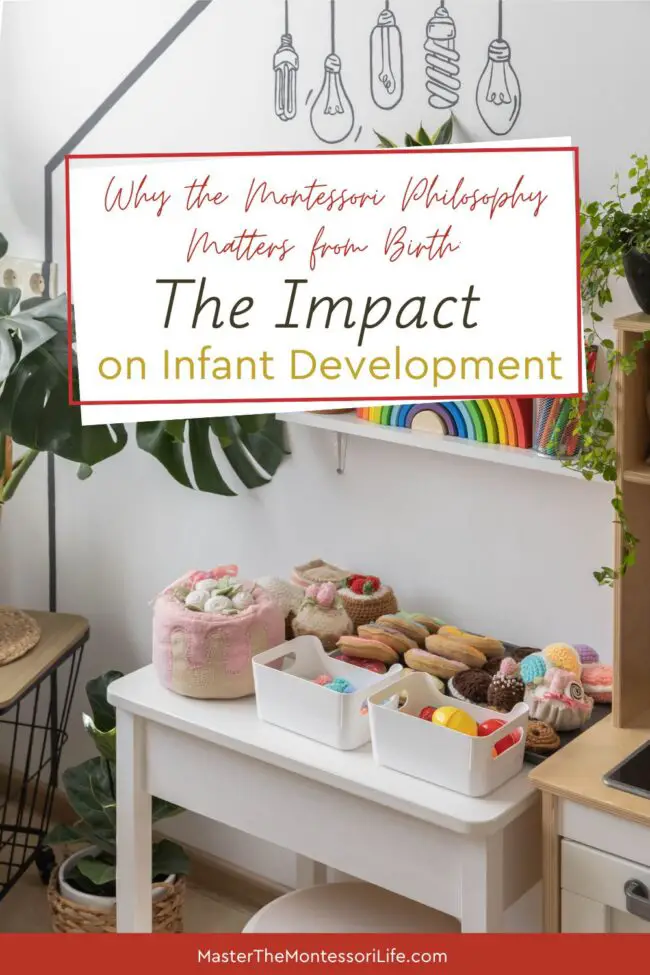
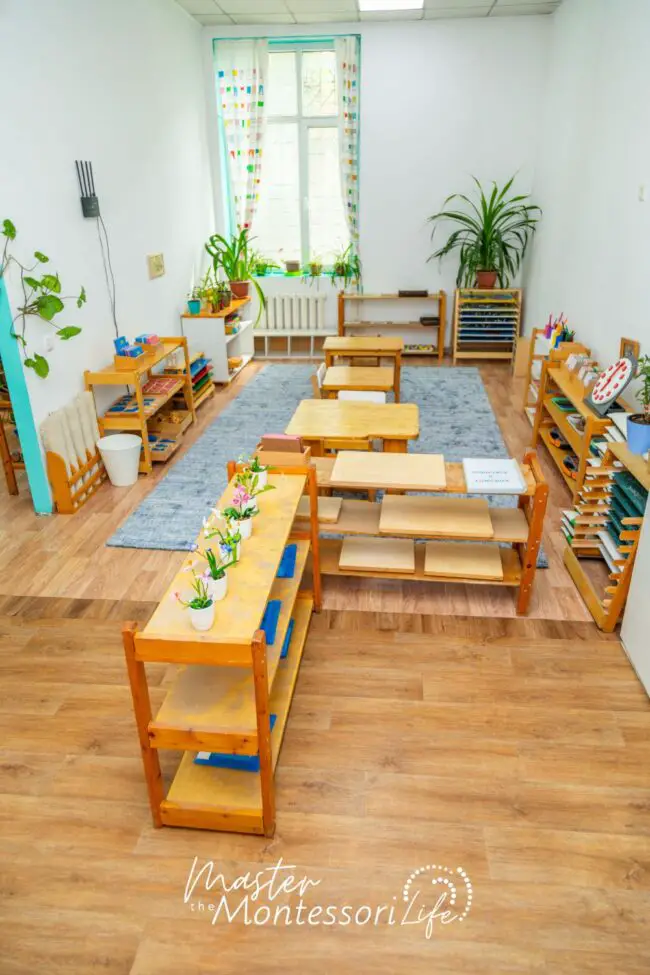
The concept of the prepared environment is fundamental in the Montessori approach. For infants, this means creating a space that is safe, engaging, and conducive to independent exploration. A well-prepared environment includes low shelves with accessible toys, a movement area with a soft rug, and mirrors at the child’s level to encourage self-discovery. Such an environment not only supports physical development but also stimulates cognitive and sensory experiences, aiding the child’s overall growth.
2 Development in Nurture
One of the core tenets of the Montessori philosophy is the respect for a child’s individuality. From birth, every child is unique, with their own pace of development and interests. Recognizing and respecting this individuality fosters a child’s self-esteem and confidence.
In practice, this means observing the child closely and providing opportunities tailored to their specific needs and interests. For instance, rather than imposing a rigid schedule, parents and caregivers can follow the child’s natural rhythms for activities like feeding and sleeping.
3 Development of Self
Even at a very young age, infants benefit from opportunities to develop independence. Simple activities, like allowing a baby to attempt grasping toys or self-feeding with appropriate utensils, foster a sense of autonomy and competence. Encouraging independence from birth helps children develop problem-solving skills and resilience. It’s about providing the right balance of support and challenge to help the child learn through their efforts and experiences.
Thoughtful Approach
For new parents, Montessori guides, and caregivers, adopting these principles can transform the way we view and support infant development. The first years of life are a period of incredible growth and potential.
The Montessori approach offers a thoughtful, evidence-based framework to nurture this precious stage. As we continue to explore and understand the impact of Montessori from birth, we pave the way for future generations to thrive in a world that values their unique contributions and innate abilities.
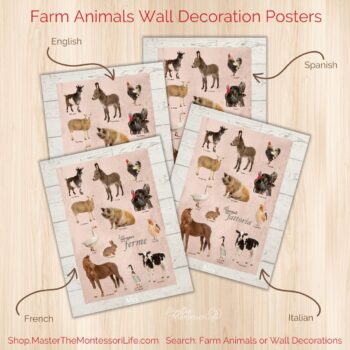
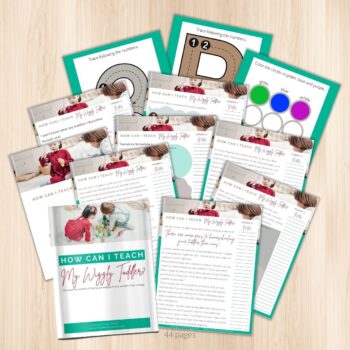
You will enjoy these resources



You might also enjoy these relevant topics:
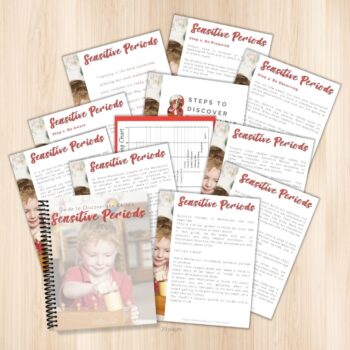
- Montessori from Birth: Why Start from Day One
- 10 Essential Montessori Toys for Your Baby’s First Year
- The First Year of Life: Developmental Stages and Key Milestones
- How to Start doing Montessori with your Baby
- A Comprehensive Montessori Guide for New Parents
- Strategies for Fostering Independence in Babies




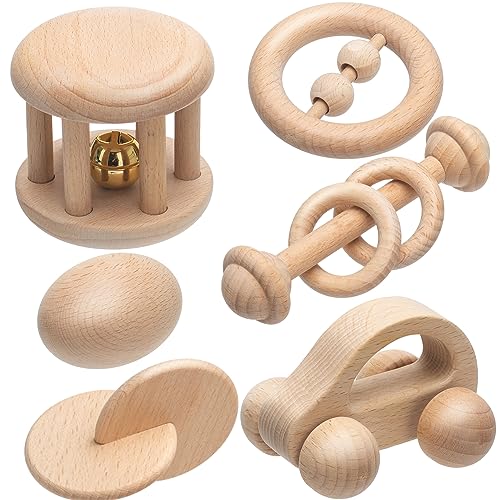
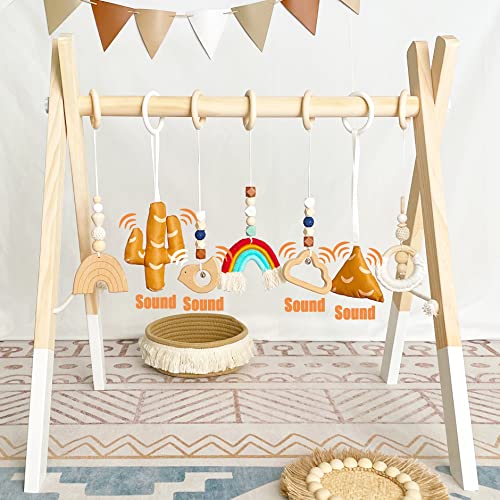
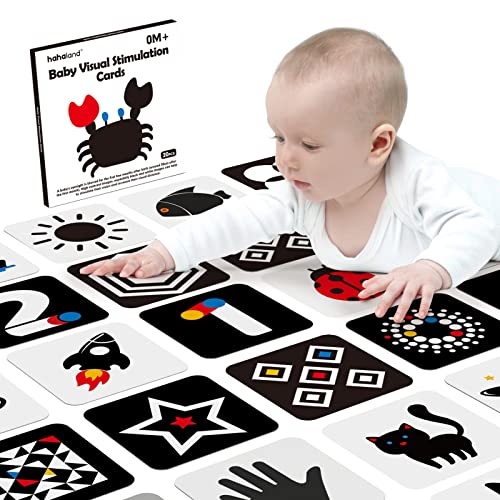
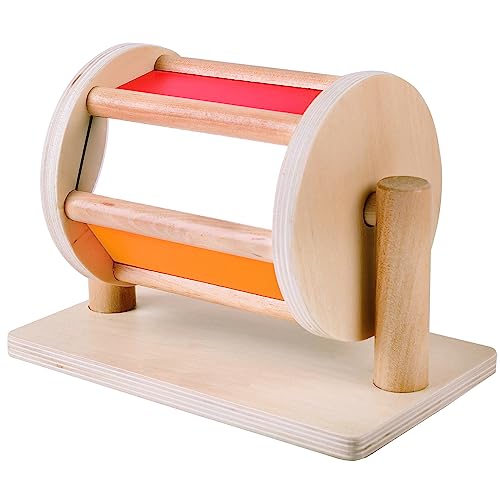
Montessori Wooden Baby Toy Set – 6 Pieces of Rattles, Push Car and Newborn Toys for PgUp Baby Play Gym Wooden Baby Gym with 7 Toys, Foldable Wooden Play Gym Frame Hanginghahaland High Contrast Baby Flashcards – Black and White Infant Baby Cards 0-6 Months Tummy TimeMORITECK Spinning Drum, Montessori Toys for Babies 6-12 Months, Infant Kids Developmental Wooden Toy for BoyMontessori Play Kit for 0-6 Month Baby Tummy Time Interactive Toys Baby Brain Development Toys RattleMontessori Babies


- 3 Transferring Activities for Montessori Practical Life
 It will help you understand how to set up dozens of Montessori Practical Life transferring activities and will set up the children for success.
 - Tips to incorporate Fall into your Montessori environment
 Come and find out how you can highlight and celebrate Fall in your Montessori environment without stressing out about it.
 - 3 Must-have Qualities in Montessori Sensorial Materials
 In this training, I am going to be discussing three qualities that Montessori Sensorial materials and lessons must have.
 - Montessori Class Decoration Ideas for a Beautiful and Purposeful Learning Environment
 Spread the loveWhen you are looking for Montessori class decoration ideas, it is important to remember that decorating a Montessori environment…
 - How to Teach Addition using the Montessori Method
 In this training, we will be discussing how to teach addition using the Montessori Method.
 - Montessori Culture: Teaching Children about their Country
 Teaching children about their country in a Montessori environment is an exciting and rewarding experience.