
Wondering how to nurture your child’s imagination while staying true to Montessori values? The Montessori method has long been celebrated for its unique way of fostering creativity. When creativity is encouraged in the classroom or at home, children blossom into confident, curious learners.
By allowing children to explore, create, and solve problems, Montessori builds the foundation they need for a lifetime of innovation and discovery. Today, we’ll explore how you can infuse creativity into Montessori learning, drawing inspiration from the wealth of resources at Master the Montessori Life and my wonderful shop.
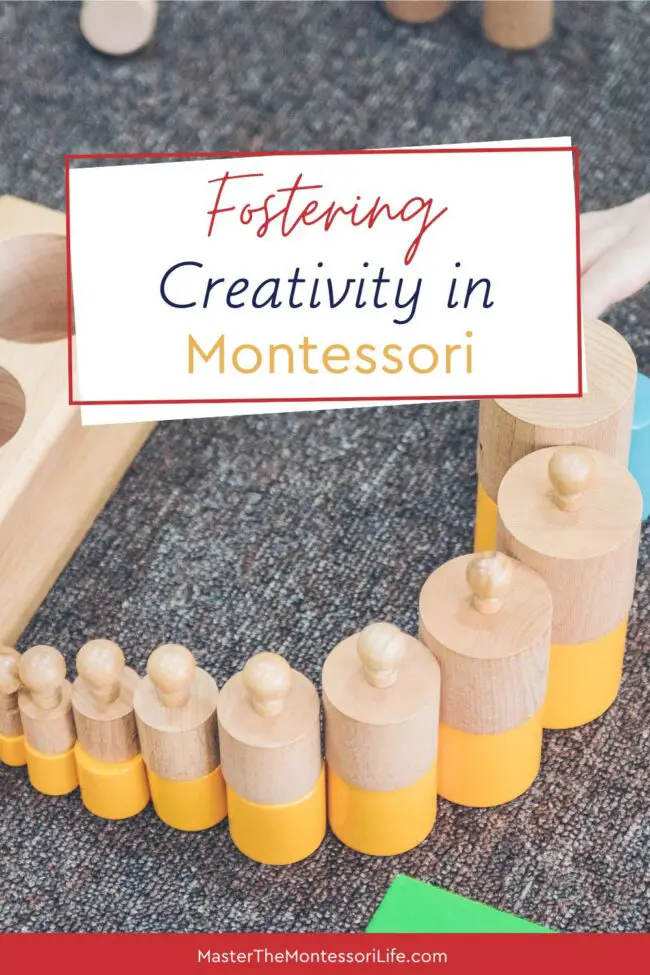
Helping Children Express Themselves
Creativity isn’t just about art and crafts. True creativity in Montessori is about giving children the freedom to express themselves in all aspects of life. By preparing an environment rich with open-ended materials, you invite your child to explore and invent.
Simple tools like the Printable Montessori Sensorial Binomial Cube support creative thinking through hands-on activities that make abstract ideas concrete. Montessori encourages children to try new approaches, ask questions, and learn through their senses, which naturally leads to inventive thinking and joyful expression.
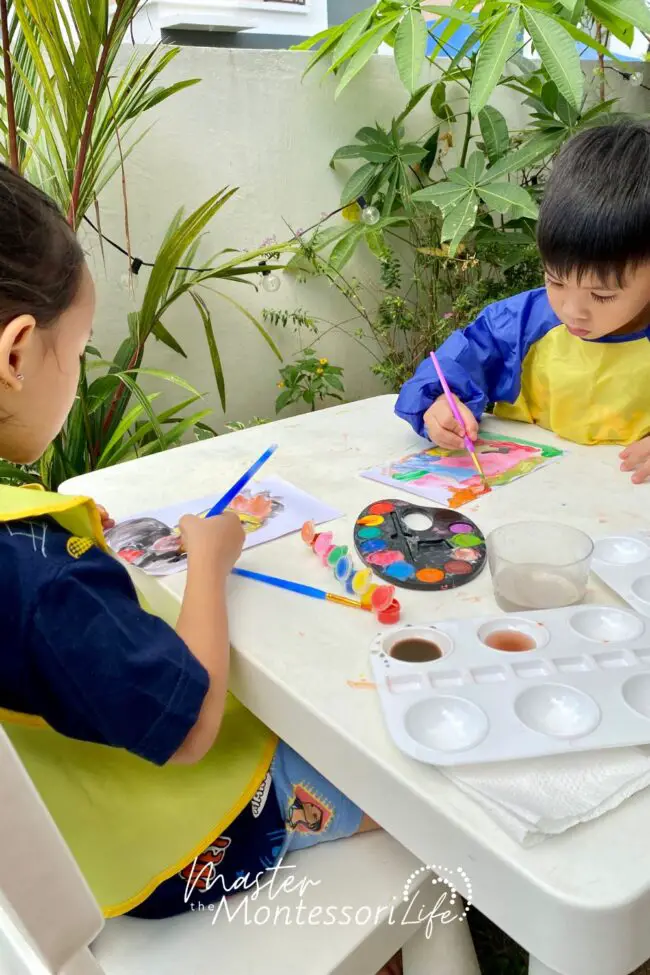
Building a Creative Routine
Are you looking to weave creative exploration into your daily routine? Montessori emphasizes independent, self-paced learning blocks that naturally lend themselves to creative growth. The Montessori planner is a fantastic tool for organizing lessons that encourage curiosity and wonder. Consider adding activities like music, storytelling, and nature walks into your week.
Even transitions, like Montessori Circle Time, become opportunities for connection, socialization, and imaginative play. When creativity is built into the rhythm of your Montessori day, children feel empowered to take risks and develop their individual talents. And it can be so much fun as you bring in the social aspect into the routine.
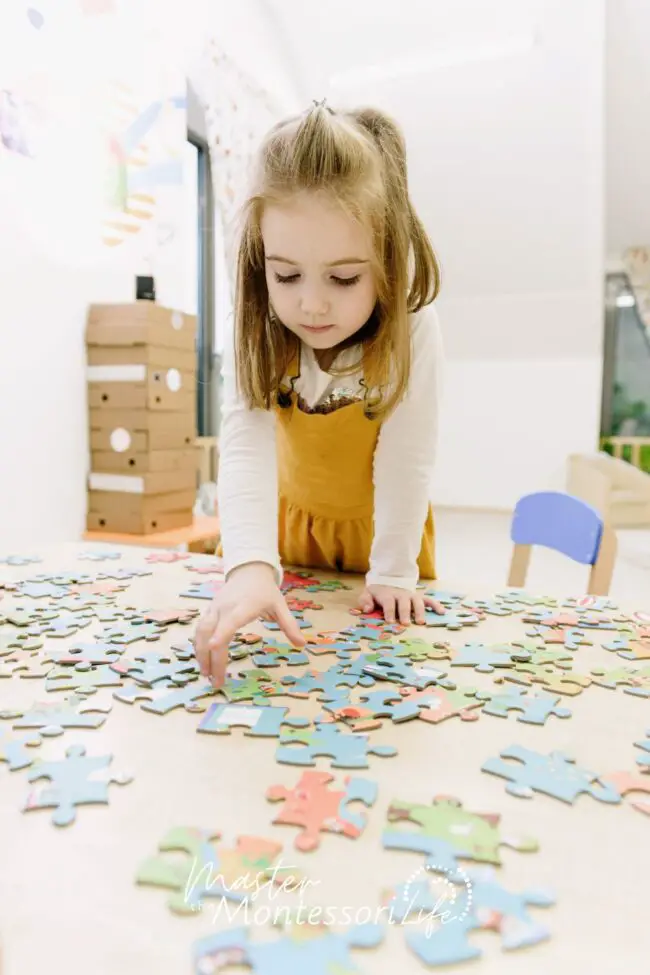
Working Within the Montessori Framework
Montessori is very fluid, but at the same time, very orderly. That is one of the many beauties of the method. Montessori’s child-led approach is perfectly suited to nurturing creativity while laying a solid educational foundation. Instead of rigid instruction, Montessori educators act as guides, offering gentle support and meaningful choices.
For a deeper understanding of how to structure creative, child-centered learning, check out products like the Starting Montessori at Home Digital Book or the comprehensive Montessori Way Foundations Framework. These resources offer actionable ideas, real-life examples, and planning tips to help you celebrate creativity in every lesson.


Bringing It All Together
Montessori isn’t boring or static at all. Fostering creativity in Montessori isn’t just about providing art supplies or fun activities; it’s about creating an environment where children feel free to explore, invent, and enjoy the process of learning.
From choosing the right tools to building creative routines and supporting individual expression, every step brings your child closer to becoming a confident, creative thinker. For even more tips, inspiration, and Montessori products that spark innovation, explore Master the Montessori Life and discover the difference a creative Montessori approach can make!
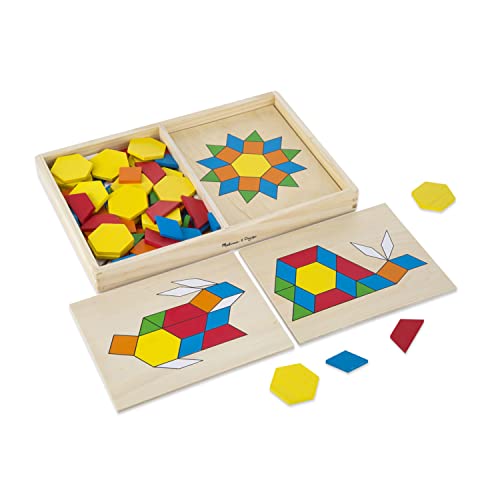
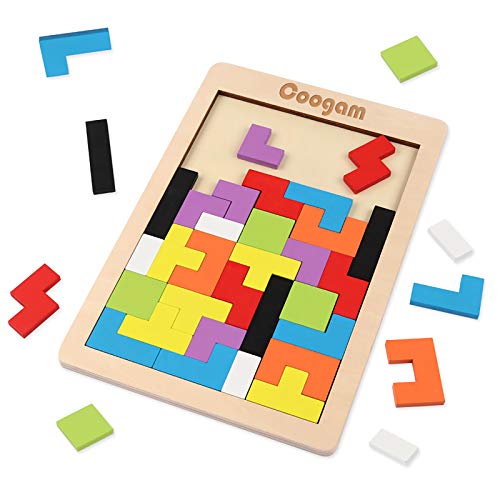
Melissa & Doug Pattern Blocks and Boards – Wooden Classic Toy With 120 Solid Wood Coogam Wooden Blocks Puzzle Brain Teasers Toy Tangram Jigsaw Intelligence Colorful 3D Russian Blocks GameMontessori Toys for Tooddlers- Busy Board for 1 2 3 4 Years – Educational Fidget

You might also enjoy these relevant topics:


- 3 Must-have Qualities in Montessori Sensorial Materials
 In this training, I am going to be discussing three qualities that Montessori Sensorial materials and lessons must have.
 - Montessori Class Decoration Ideas for a Beautiful and Purposeful Learning Environment
 Spread the loveWhen you are looking for Montessori class decoration ideas, it is important to remember that decorating a Montessori environment…
 - How to Teach Addition using the Montessori Method
 In this training, we will be discussing how to teach addition using the Montessori Method.
 - Montessori Culture: Teaching Children about their Country
 Teaching children about their country in a Montessori environment is an exciting and rewarding experience.
 - 8 Easy Montessori Culture Activities
 In this post, let’s discuss 8 easy ways in which you can incorporate Montessori Culture activities for young children.
 - World Flag and Map Montessori Presentation
 A well-prepared world flag and map Montessori presentation introduces children to global awareness through visual and tactile learning.
Leave a Reply